The Ultimate Guide to Commissioning a Custom Mural in Cape Town.

Updated: Mar 17

Moving Beyond the Blank Wall
A blank wall is a missed opportunity. In a city as visually vibrant and culturally rich as Cape Town, architecture shouldn't just exist—it should speak. Whether you are walking through the historic, colorful streets of Bo-Kaap, admiring the urban gallery of Woodstock, or experiencing the profound "Langa Legends" public art, murals have become the visual heartbeat of South Africa.
Commissioning a custom mural is more than just applying paint to plaster; it is the process of translating a narrative into a permanent visual diary. As a contemporary expressionist, the goal is always to bridge the gap between raw street energy and museum-quality fine art.
If you are a business owner looking to create a landmark, an interior designer seeking a bespoke feature, or a homeowner wanting to breathe life into a private sanctuary, this guide will walk you through everything you need to know about commissioning a custom mural in 2026.
Chapter 1: Why Commission a Custom Mural?
Before diving into the logistics, it is vital to understand the return on investment—both emotional and commercial—that a large-scale artwork provides.
1. For Commercial & Brand Spaces.
In the digital age, physical spaces must offer an experience. A bespoke commercial mural transforms a standard café, corporate office, or retail facade into a destination.
Vibrant commercial wall mural painted by Skubalisto for Vida e Caffè, showcasing contemporary expres Large-scale indoor commercial mural by artist Skubalisto at Canal Walk shopping centre in Cape Town, Custom retail branding mural by Skubalisto painted for a Spar supermarket, transforming the commerci
● Brand Identity: A mural communicates your company’s ethos instantly. It is visual storytelling that resonates with clients the moment they walk through the door.
● Organic Marketing: In a highly visual culture, striking wall art naturally encourages user-generated content. People photograph and share unique art on Instagram and TikTok, turning your wall into a 24/7 organic marketing engine.
● Workspace Energy: For corporate offices, replacing sterile white walls with vibrant, narrative-driven art boosts employee morale and stimulates creative thinking.
2. For Private & Residential Spaces
A home should be a reflection of the people who live in it.
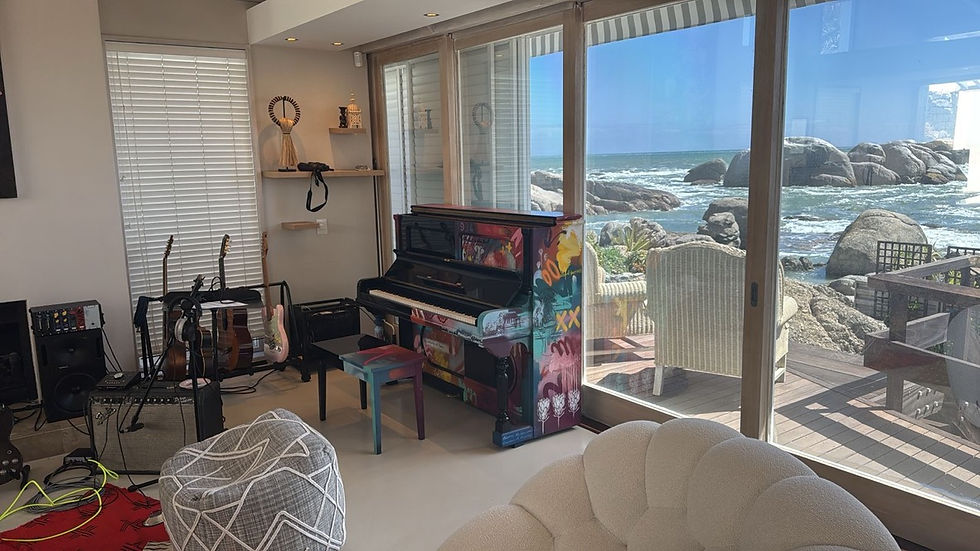
● Bespoke Aesthetics: Unlike mass-produced wallpaper or framed prints, a residential mural is entirely unique to your space and tailored to your exact architectural dimensions.
● Atmosphere: Whether it’s a tranquil, nature-inspired exterior boundary wall or an energetic, expressive portrait in a living room, a mural dictates the emotional temperature of the space.
3. For Community & Public Spaces Public art is a legacy.
Public art is a legacy. Pieces like Ithemba Alibulali and the tributes to Brenda Fassie, Luck Dube and Robert Sobukwe serve as cultural touchstones. They honor history, celebrate local heroes, and bring communities together by transforming neglected urban spaces into open-air galleries.
"Public legacy street art in Langa, Cape Town, featuring a contemporary expressionist tribute mural Large-scale community tribute mural of reggae legend Lucky Dube, painted by Cape Town muralist Skuba Social justice public art mural honoring Robert Sobukwe, created by Skubalisto to celebrate South Af
Chapter 2: The Skubalisto Philosophy-
The Visual Diary
Not all murals are created equal. When commissioning a piece, you are not just hiring a painter; you are investing in an artist's unique lens on the world.

My work is deeply rooted in the concept of the Visual Diary. Drawing inspiration from African heritage, personal history (including the concept of the father as a superhero), and the raw pulse of the streets, every piece is a contemporary expressionist narrative. The style relies on bold, unfiltered color palettes, expressive portraiture, and a dynamic tension between the controlled techniques of fine art and the spontaneous energy of graffiti.
When you commission a piece, this visual language is adapted to tell your story, ensuring the final artwork is distinctly recognizable yet deeply personal to your space.
Chapter 3: The Step-by-Step Commissioning Process
Commissioning a large-scale artwork can seem daunting, but a professional workflow ensures the project is seamless from the first sketch to the final seal. Here is the exact process of taking a wall from blank to iconic.
Step 1: The Initial Consultation & Site Inspection Every great mural starts with a conversation.
We begin by discussing your vision, the intended audience for the piece, and the emotional impact you want to achieve.
Following this, a site inspection is conducted (either in person in Cape Town or virtually via photos and measurements). We assess:
● The Wall Texture: Is it smooth plaster, rough brick, or corrugated iron?
● The Environment: Does it face harsh afternoon sun? Is it exposed to heavy coastal rain?
● Access & Logistics: Will the project require scaffolding, a cherry picker, or specialized safety equipment?
Step 2: Concept Development & Quoting
Based on our consultation, I will develop a digital mockup or concept sketch. This allows you to see how the artwork will interact with the surrounding architecture. Alongside the sketch, a formal, transparent quotation is provided.
Step 3: Wall Preparation
A mural is only as durable as its canvas. If the wall is flaking or unprimed, it must be prepped. This involves cleaning, fixing cracks, and applying a high-quality, weather-resistant primer. Proper preparation ensures the paint binds perfectly and lasts for years.

Step 4: The Execution
This is where the energy shifts from the studio to the street. Using a mix of high-grade exterior acrylics and premium spray paint, the artwork is mapped out and layered. Depending on the scale and complexity, a project can take anywhere from a few days for a residential bedroom to several weeks for a multi-story commercial facade.
Step 5: Sealing and Protection
Once the final strokes are applied and approved, the mural is locked in. For exterior walls, particularly in the unpredictable Cape Town climate, a clear UV-resistant and waterproof sealant is applied. This protects the vibrant colors from fading in the sun and shields the art from rain and minor abrasions.
Chapter 4: Understanding the Cost of a Mural in 2026
One of the most common questions is, "How much does a custom mural cost?" Because every project is a bespoke fine-art commission, there is no flat rate. However, understanding the pricing variables will help you budget effectively.
1. Size and Square Meterage
Pricing is heavily influenced by the total surface area. Generally, a per-square-meter rate is used as a baseline. Larger walls will naturally have a higher overall cost but may have a lower cost-per-square-meter due to economies of scale.
2. Design Complexity
A minimalist, geometric brand pattern takes less time and less paint than a highly detailed, photorealistic, contemporary expressionist portrait. The density of the artwork and the number of colors required directly impact the investment.
3. Equipment and Accessibility
Painting a standard ground-floor boundary wall requires basic ladders. Painting a three-story building in the Cape Town CBD requires the rental of articulated boom lifts (cherry pickers), scaffolding, and strict safety gear. Equipment rental and site-safety logistics are factored into the final quote.
4. Surface Condition and Prep Work
If a wall requires two days of scraping, filling, and priming before a single drop of art paint can be applied, this labor and material cost will be included in the project scope.
Chapter 5: Legalities, Permits, and Heritage Sites
When dealing with public-facing commercial walls, particularly in a historic city like Cape Town, red tape is part of the process. A professional muralist doesn't just paint; they navigate the legalities.
City By-Laws and Signage Approvals
If your mural includes your company logo, specific text, or direct advertising, the City of Cape Town may classify it as "Signage" rather than "Public Art." Signage often requires a formal application and approval process.
Heritage Buildings
Areas like the CBD, Bo-Kaap, and parts of Woodstock contain protected heritage buildings. You cannot legally paint on a heritage facade without explicit permission from Heritage Western Cape.
The Solution
Always ensure you have written permission from the property owner or landlord before commissioning an artist. As part of a professional service, guidance through the City's art permit applications can be provided to ensure your new landmark is 100% compliant and protected.
Conclusion:
Ready to Build a Landmark? A custom mural is an investment in your environment, your brand, and the cultural fabric of your city. It has the power to tell a story that outlasts us all. Whether you are looking to honor a legacy, elevate a corporate headquarters, or bring contemporary expressionism into your home, the process begins with a single conversation.


Comments